

AI-modified
AI Use Information for this Web Page
The textual content of this page is AI modified.
- AI status: Modified with AI
- Scope: Entire page textual content
- Human oversight: Reviewed by authors before publication
- Details of AI usage: The page text involves AI. No personal data was used beyond what is strictly necessary.
This autumn, TalTech Virumaa College is offering free hydrogen technology courses for the first time. One course introduces the wider field of hydrogen technologies, while the other takes a closer look at hydrogen production and storage.
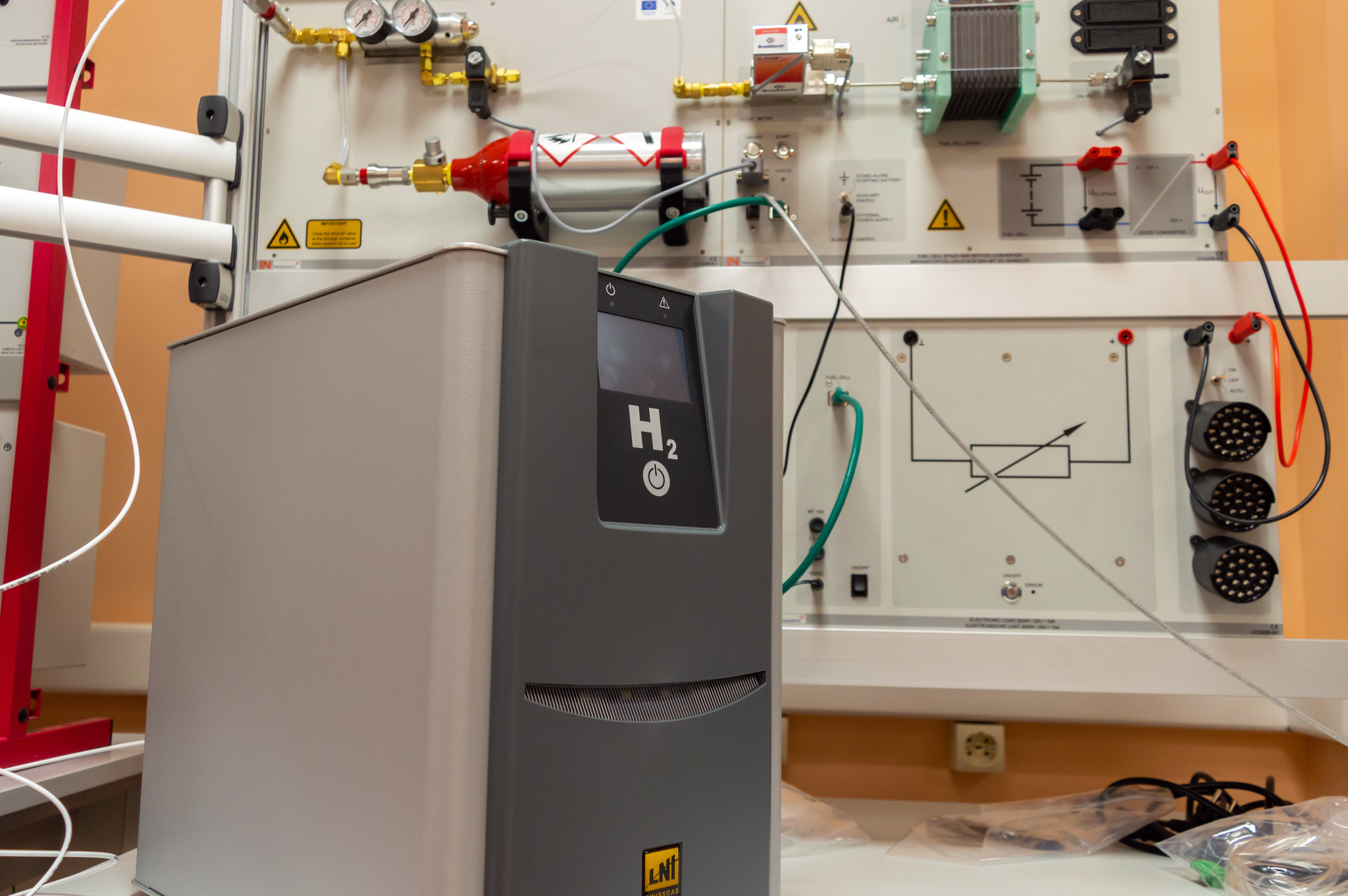
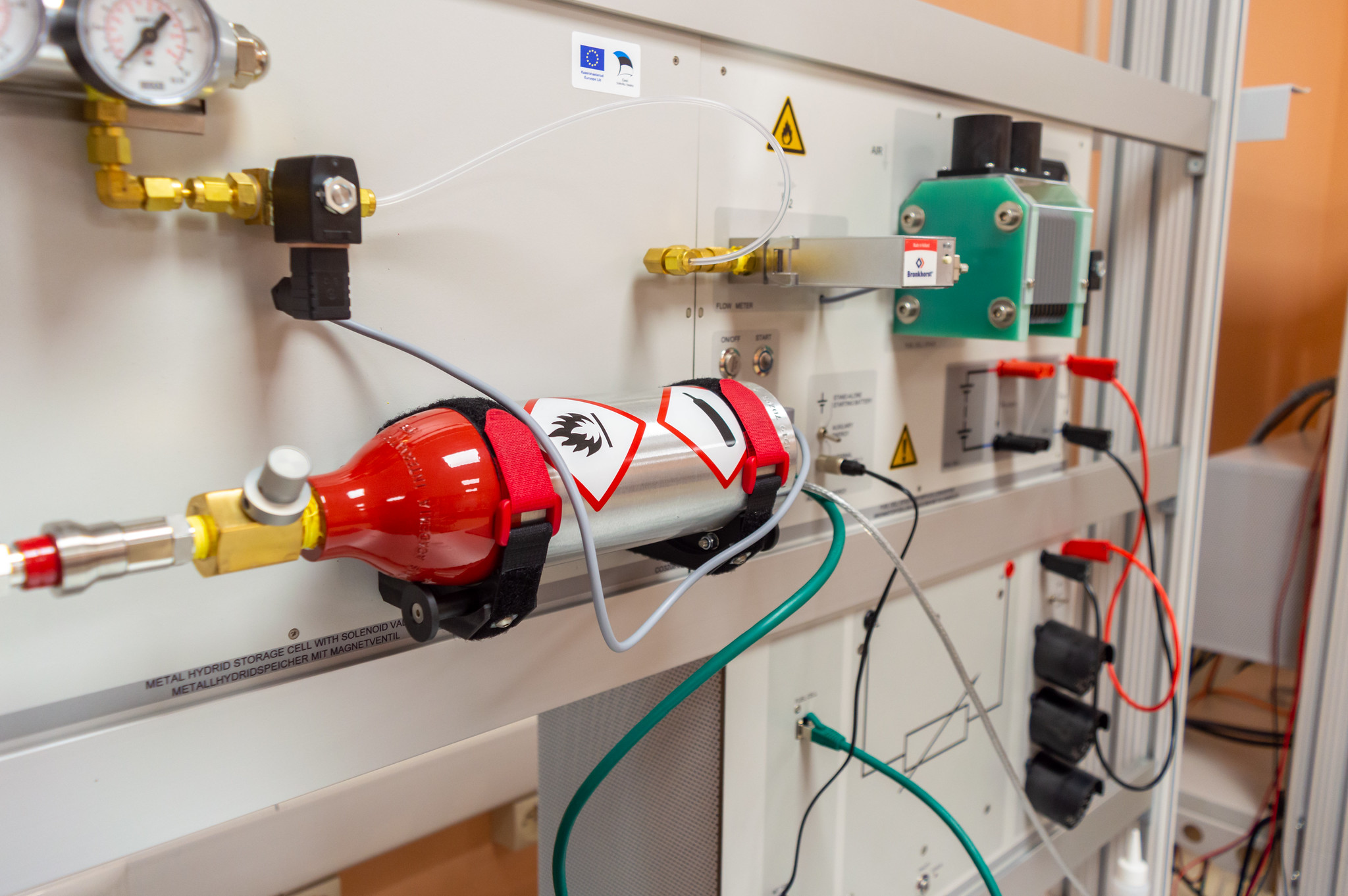
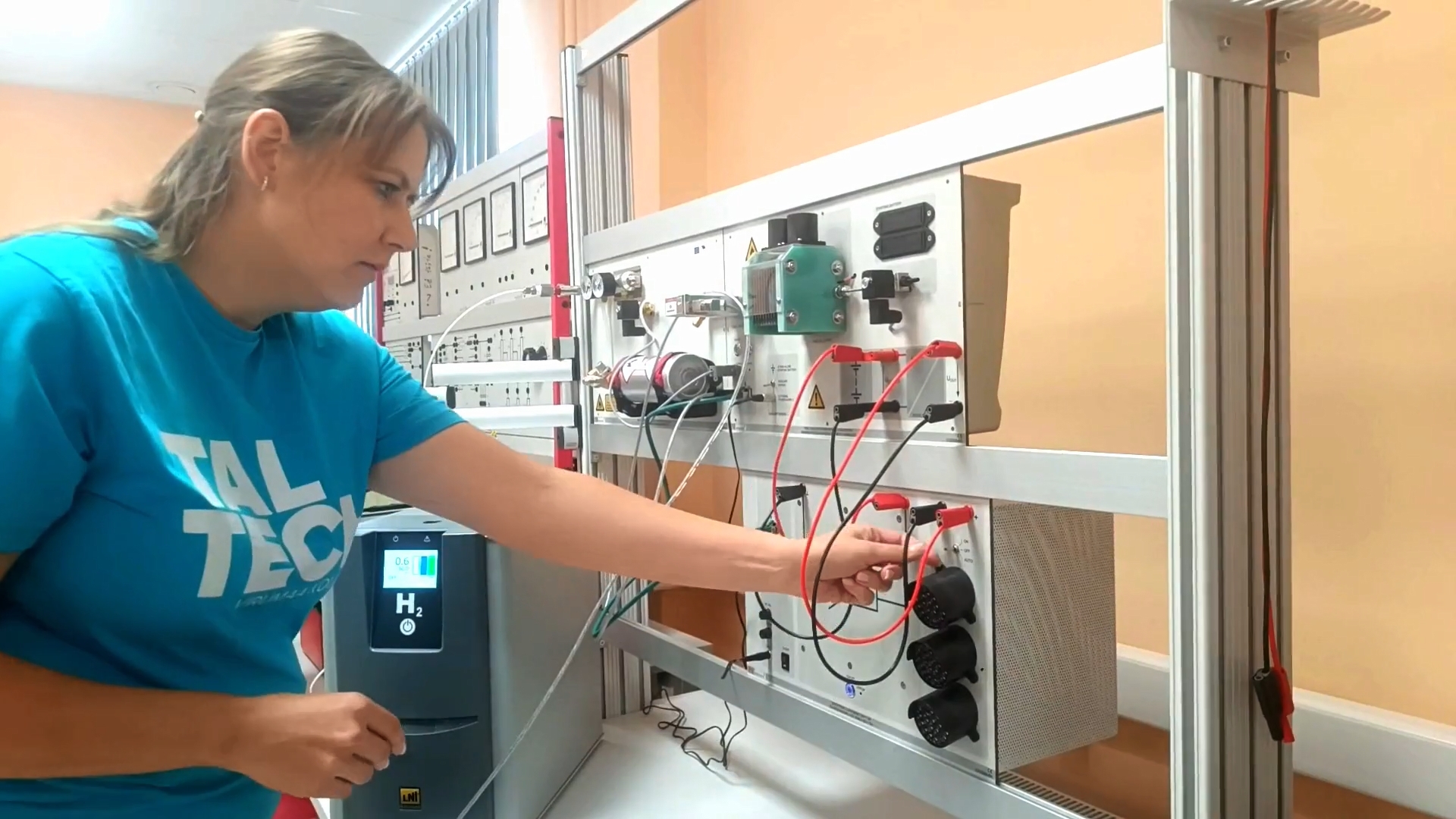
TalTech Virumaa College launches free hydrogen technology courses
This autumn, TalTech Virumaa College is offering free hydrogen technology courses for the first time. One course introduces the wider field of hydrogen technologies, while the other takes a closer look at hydrogen production and storage.
Hydrogen is expected to have a role in future energy systems and has also been used for decades as a feedstock in industry. The courses are designed to help adult residents of Ida-Viru County build new knowledge and skills in this developing field.
Understanding hydrogen’s potential and limitations
Global hydrogen demand exceeded 100 million tonnes in 2025, according to the International Energy Agency. Most hydrogen is used in established industries, including oil refining and the production of ammonia, nitrogen fertilisers and methanol. Newer uses in transport, power generation, energy storage and synthetic fuels still make up a relatively small share of demand.
TalTech Virumaa College lecturer Ando Astor says hydrogen could become more important in areas where direct electrification is difficult, such as some industrial processes, long-distance transport and long-term energy storage.
Hydrogen is not the most efficient option in every situation. Producing it from electricity, compressing or liquefying it, and then using it all require energy. Direct electrification is generally more efficient and cost-effective for passenger cars, building heating and many low-temperature industrial processes.
The course Fundamentals of Hydrogen Technologies explores current developments and existing and potential applications. Participants will learn about hydrogen’s properties and safety, as well as the opportunities and limitations involved in adopting hydrogen technologies. No previous knowledge or experience in the sector is required. Astor says the course may be particularly useful for employees of energy and industrial companies in Ida-Viru County who want to broaden their understanding of the field.
Two courses, two areas of focus
The 40-hour Fundamentals of Hydrogen Technologies course runs from 15 October to 3 December. It covers the basics of hydrogen technology, applications in industry and energy systems, and practical uses. Participants will also take part in group work.
The 26-hour Hydrogen Production and Storage Technologies course runs from 10 to 26 November. It focuses on hydrogen production methods, purification, storage and transport. The programme also covers safety, the pros and cons of different technologies, and related costs.
Both courses are taught in Estonian, in person. Participants must meet the course requirements, including achieving at least the minimum required score in a knowledge assessment.
More free training opportunities
The hydrogen courses are part of a wider programme of free continuing education and retraining at TalTech Virumaa College, supported by the Just Transition Fund. The college’s autumn offerings also include subjects such as energy engineering and automation, mechanical engineering, information technology, chemical engineering, management and personal development.
The programme is intended for adult residents of Ida-Viru County who want to strengthen their existing skills or gain new knowledge. These are the college’s first free courses focused on hydrogen.

