AI-modified
AI Use Information for this Web Page
The textual content of this page is AI modified.
- AI status: Modified with AI
- Scope: Entire page textual content
- Human oversight: Reviewed by authors before publication
- Details of AI usage: The page text involves AI. No personal data was used beyond what is strictly necessary.
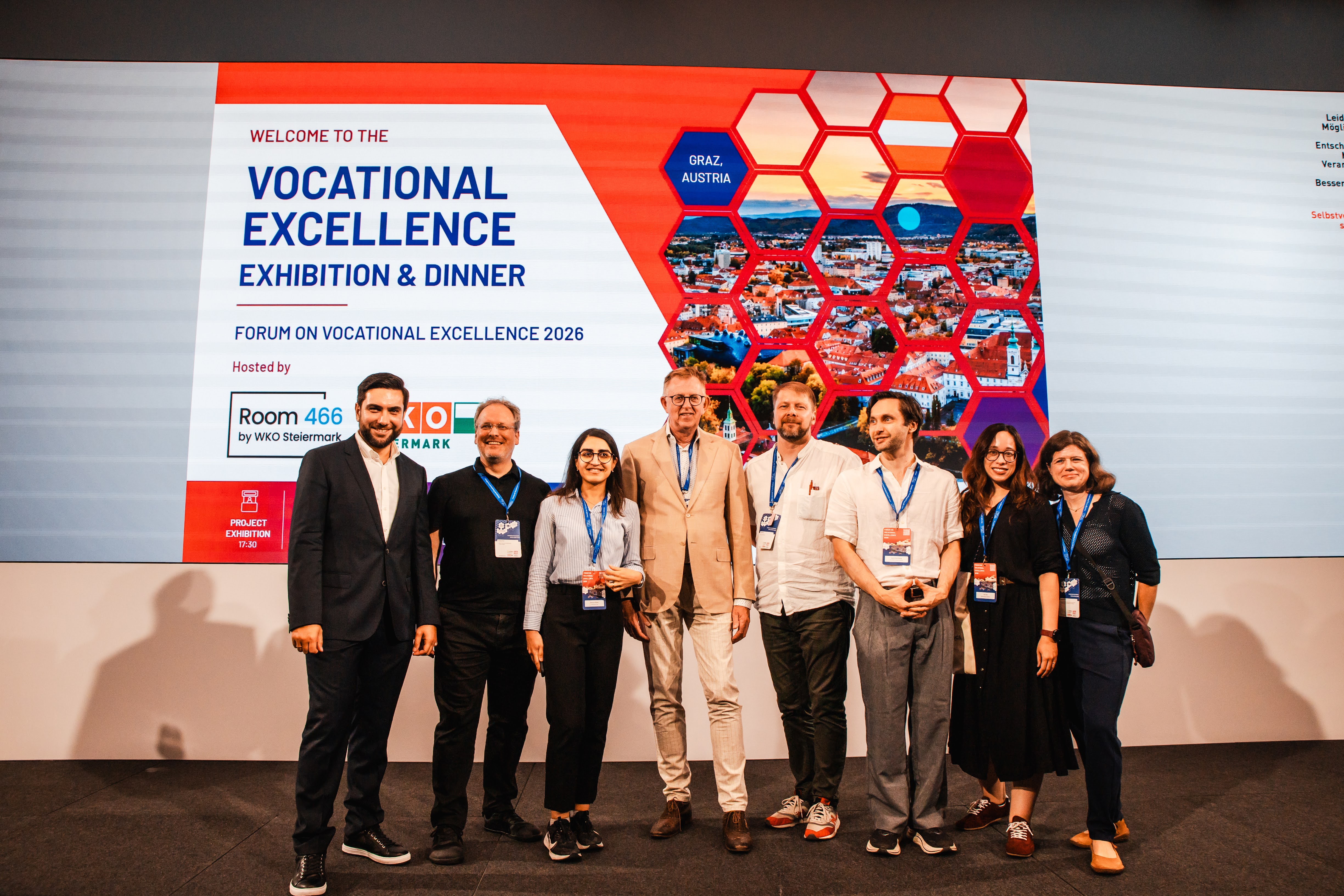
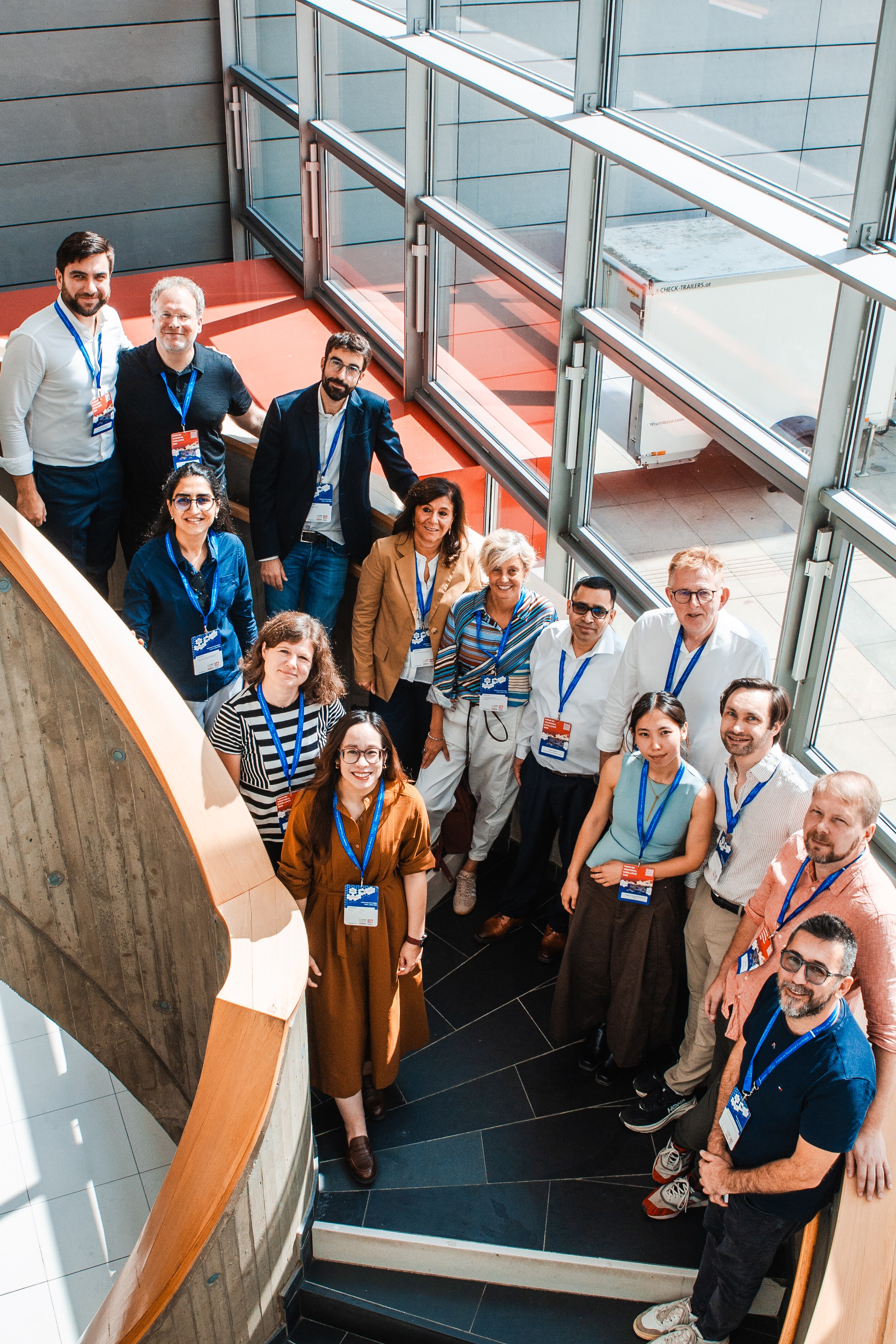
From 7–9 September, the H2CoVE project team traveled to Graz, Austria, to participate in the Forum on Vocational Excellence.
H2CoVE at the Forum on Vocational Excellence 2026: Three Days of Impact in Graz
H2CoVE at the Forum on Vocational Excellence 2026: Three Days of Impact in Graz
From 7–9 September, the H2CoVE project team traveled to Graz, Austria, to participate in the Forum on Vocational Excellence — a flagship gathering of Europe's Centers of Vocational Excellence bringing together vocational educators, higher education institutions, industry partners, policymakers, and European Commission representatives.
Bringing Three Hydrogen CoVE Projects Together
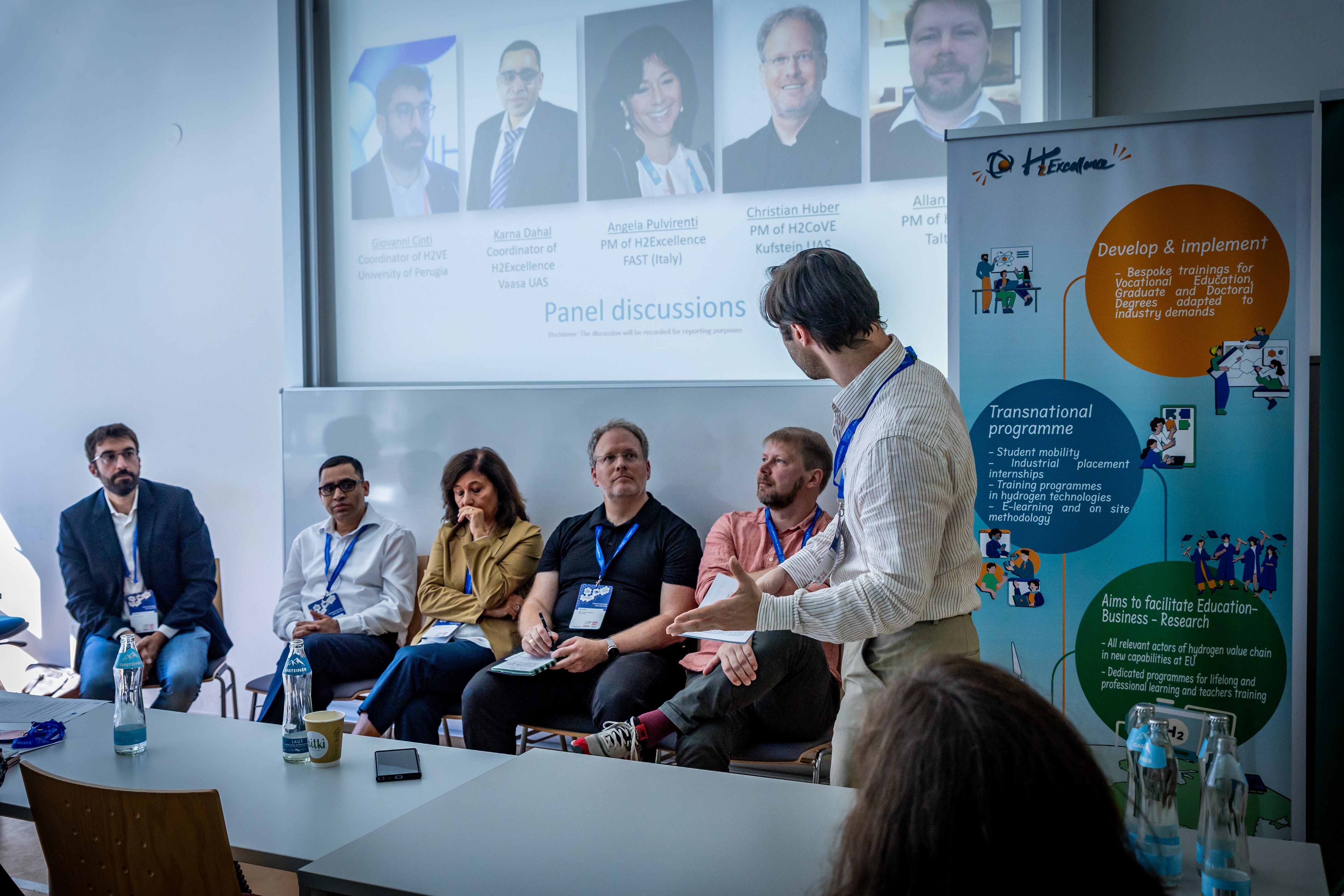
The highlight of our participation was the sectoral parallel session on 9 September: "How Hydrogen CoVEs Accelerate the Green Energy Transition: Progress, Gaps and Ways Forward." For the first time, we brought together the three hydrogen-focused Centers of Vocational Excellence operating in Europe — H2CoVE, H2Excellence, and H2VE — to share experiences and shape the future of hydrogen skills development. The session explored key questions about progress in hydrogen skills ecosystems, current gaps in education and training, and practical steps needed to strengthen collaboration across Europe.
By bringing together the three hydrogen CoVEs, we created space to share insights, compare progress, and discuss how vocational excellence can support the green energy transition across Europe.
Engaging the Broader VET Community
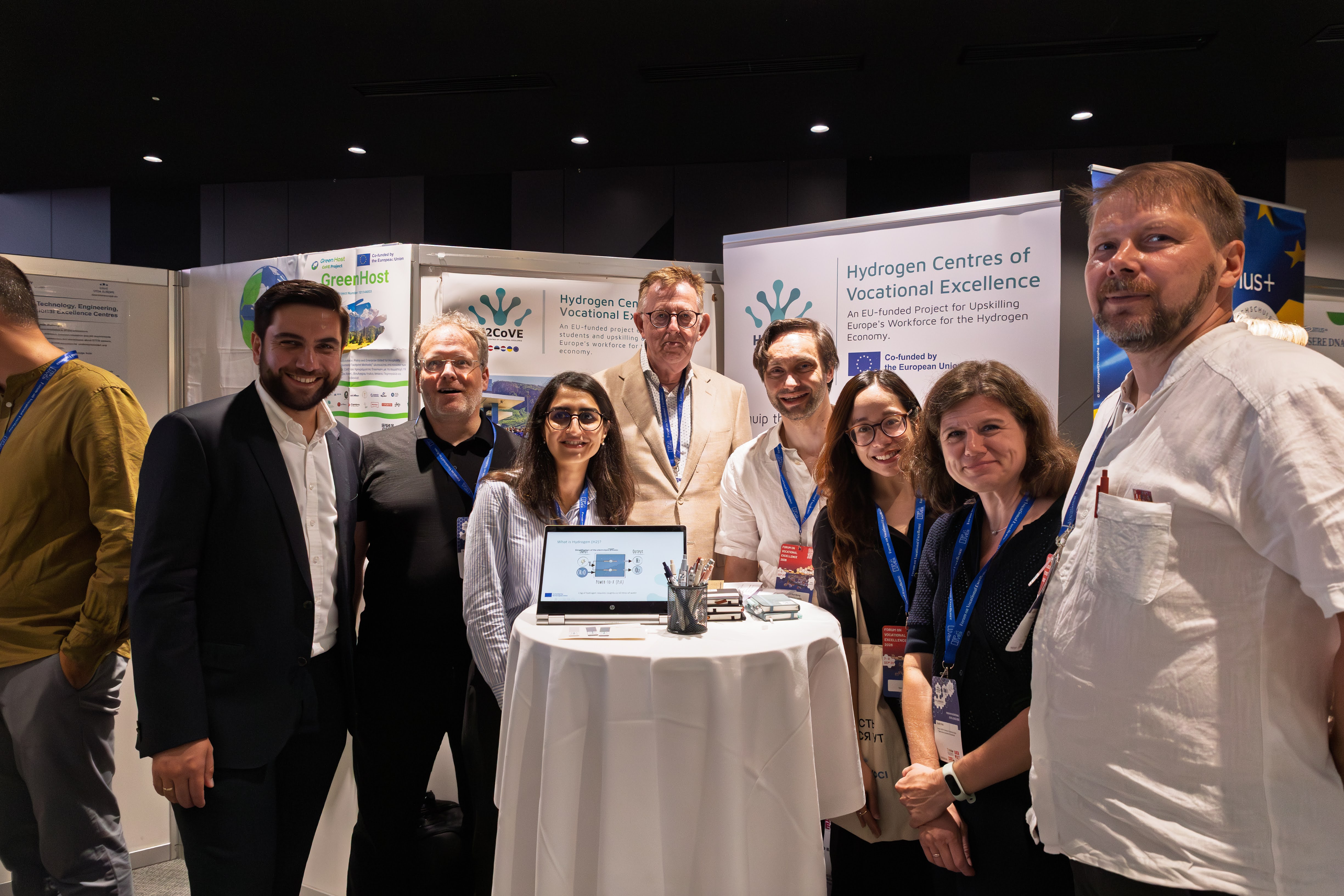
Beyond the formal session, the H2CoVE team spent three days connecting with the wider VET community at our exhibition booth and through networking conversations. On 8 September, we hosted an interactive learning station where visitors engaged actively with tiered assessments covering hydrogen fundamentals, applications, and skills development. The station generated valuable feedback on hydrogen literacy and training needs across the VET sector.
We also showcased the project's activities and vision, explored opportunities for collaboration and network expansion, and engaged educators and industry partners in conversations about hydrogen skills development and the pathways to join our growing European hydrogen vocational network.
Despite differences in conditions and frameworks, all regions involved in Hydrogen CoVEs share challenges of simultaneously developing hydrogen value chains – from production to application - while anticipating these developments and integrating them into training programmes.
Key Takeaways
The forum reinforced several important insights:
- Hydrogen skills ecosystems require strong collaboration across education, industry, regions, and policy
- There is significant appetite among VET providers to integrate hydrogen into curricula, but many lack foundational knowledge and training resources
- Interactive, progressive approaches to hydrogen literacy help build confidence and engagement across diverse audiences
- The three hydrogen CoVEs are stronger together, and joint initiatives in 2026–2027 will amplify impact across Europe
What's Next?
The insights and connections from Graz will guide our work over the coming months as we continue to strengthen regional hydrogen skills ecosystems, co-design curricula with industry and education partners, and expand collaboration with H2Excellence and H2VE. We look forward to presenting our progress at the final H2CoVE conference in Groningen in October 2027, where we will showcase the outcomes of our collective efforts in advancing hydrogen education and skills development across Europe.