The transition toward a sustainable energy future has reached a critical inflection point in Eastern Europe, with Ukraine emerging as a pivotal actor in the global hydrogen (H2) economy.
Fueling the Future: How the H2CoVE Project is Transforming Ukraine’s Energy Landscape
The transition toward a sustainable energy future has reached a critical inflection point in Eastern Europe, with Ukraine emerging as a pivotal actor in the global hydrogen (H2) economy. At the heart of this transformation is the Ivano-Frankivsk region, a traditional stronghold of the oil and gas industry that is now undergoing a profound structural reorientation. Facilitating this shift is the Hydrogen Centres of Vocational Excellence (H2CoVE) project, an Erasmus+ initiative designed to bridge the chasm between industrial ambition and the availability of a specialized, high-quality workforce.
Historically, hydrogen education in Ukraine has been fragmented and theory-heavy, consisting mostly of elective courses that lacked a clear vocational pathway for technicians and operators. The H2CoVE project addresses this systemic gap by fostering tripartite cooperation between educational institutions, industrial stakeholders, and governmental bodies. By establishing "Centers of Vocational Excellence" (CoVE), the project ensures that Ivano-Frankivsk aligns with the European Green Deal and Ukraine’s Energy Strategy by 2050.
Bridging the Competency Gap
A comprehensive assessment conducted by King Danylo University (KDU) within the H2CoVE framework revealed a stark reality: 95% of surveyed organizations anticipate a critical shortage of qualified personnel. To counter this, the project has identified six primary competency areas essential for the hydrogen sector:
- Research and Development (R&D): Focus on physical modeling and data optimization.
- Safety and Regulatory Compliance: Essential knowledge of EU standards and leak detection.
- Production Technologies: Mastery of PEM, AEL, and SOEC electrolysis.
- Storage and Handling: Managing high-pressure and cryogenic systems.
- System Design: Integrating renewable energy sources with the grid.
- Logistics: Pipeline injection and maintenance.
King Danylo University: A Hub for Innovation
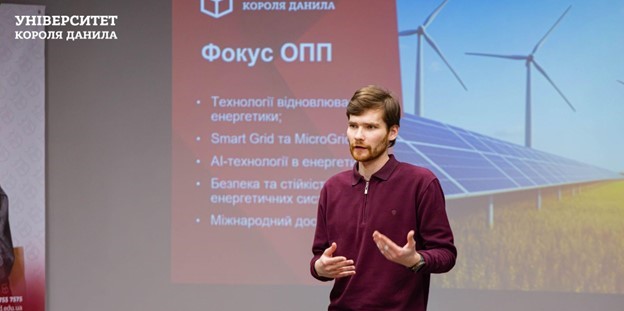
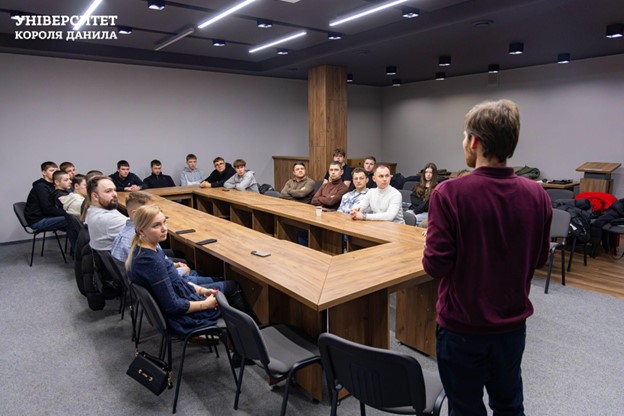
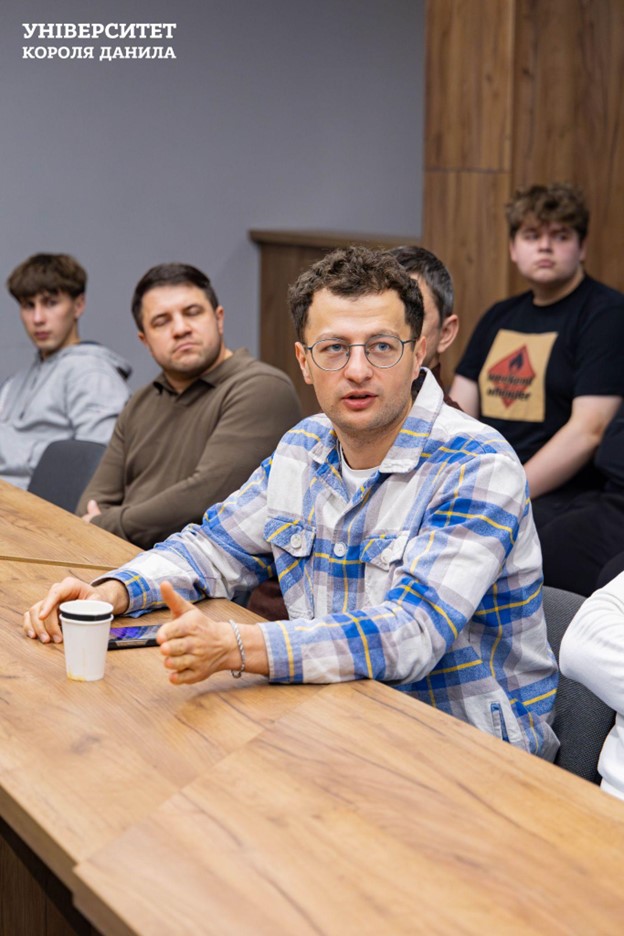
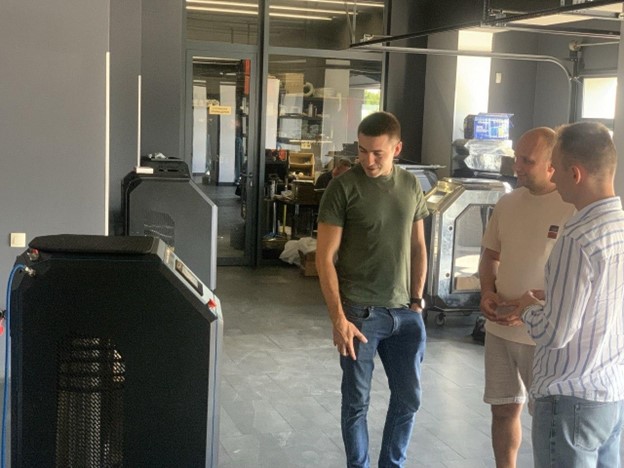
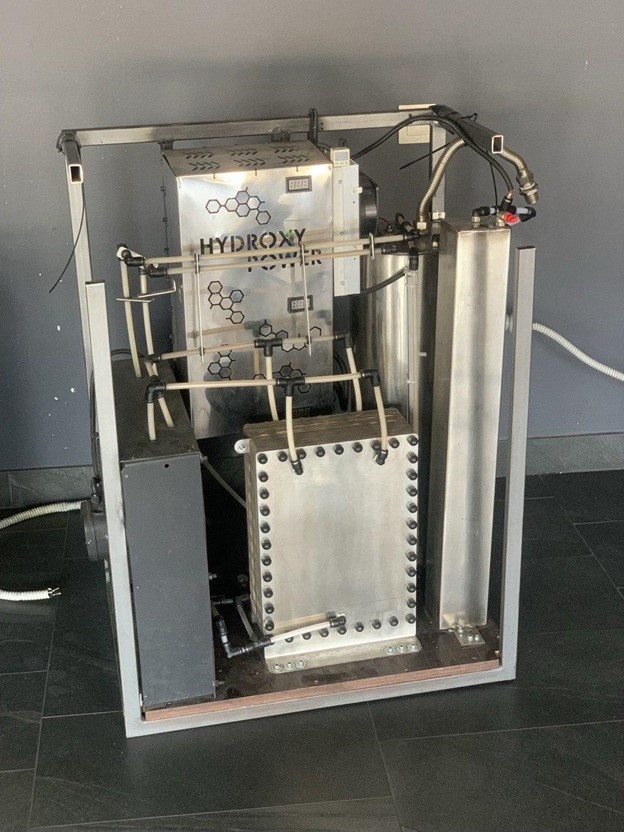
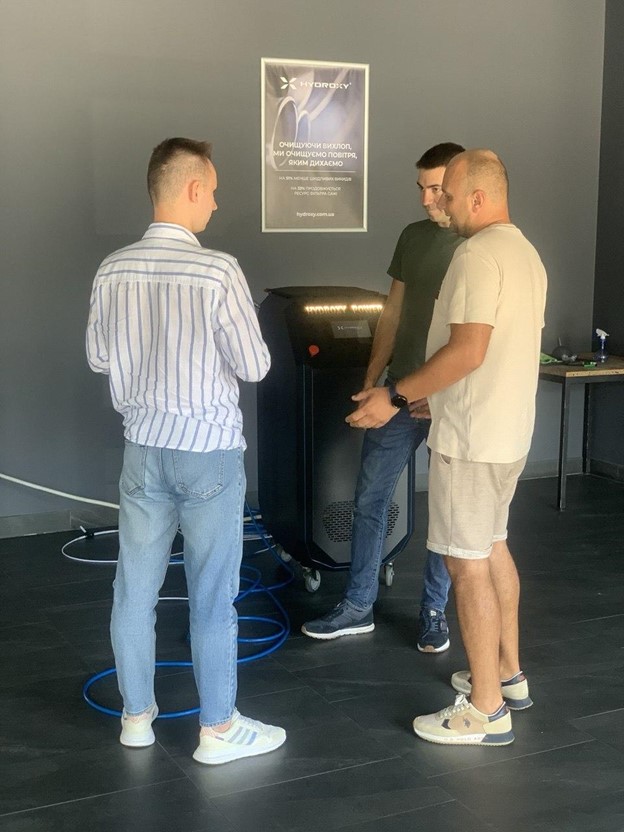
As the regional coordinator, King Danylo University has moved beyond a traditional academic role. The university has expanded its laboratory facilities by 500m² to establish "King Labs," providing a physical and digital infrastructure for hands-on experience in green hydrogen production and storage. KDU is currently piloting a specialized "Hydrogen Technologies" course that provides a 360-degree view of the value chain, from physical principles to socio-economic impacts.
Industry Alignment and Just Transition
The Precarpathian Eco-Energy Cluster (PEEC) acts as the bridge, linking university outputs with the technical needs of local companies in heating systems and industrial gas supply. This synergy is vital for a "Just Transition," allowing workers from the legacy oil and gas sectors to re-skill for the green economy. By providing Continuing Professional Development (CPD) courses, H2CoVE ensures that the existing workforce—many with decades of experience in gas distribution—is not left behind but transitioned into safe and efficient hydrogen service.
Strategic and Geopolitical Implications
The 2024 energy crisis has transformed hydrogen from a long-term aspiration into a pressing strategic necessity for national resilience. While the investment risk in Ukraine remains high, the presence of an H2CoVE-certified workforce serves as a significant "de-risking" factor for international financial institutions (IFIs) like the EBRD and EIB. Furthermore, the collaboration with European regions such as Vestland (Norway) and North Netherlands ensures that Ukrainian talent is compatible with EU standards. The H2CoVE project has demonstrated that human capital is the most critical component of hydrogen infrastructure. By empowering individuals in Ivano-Frankivsk with the right skills, the project ensures the region serves as one of Europe’s most innovative engines for the energy transition.
Who we are: This program is organised by the H2CoVE Network. Learn more about our project Hydrogen Centres of Vocational Excellence (H2CoVE)